
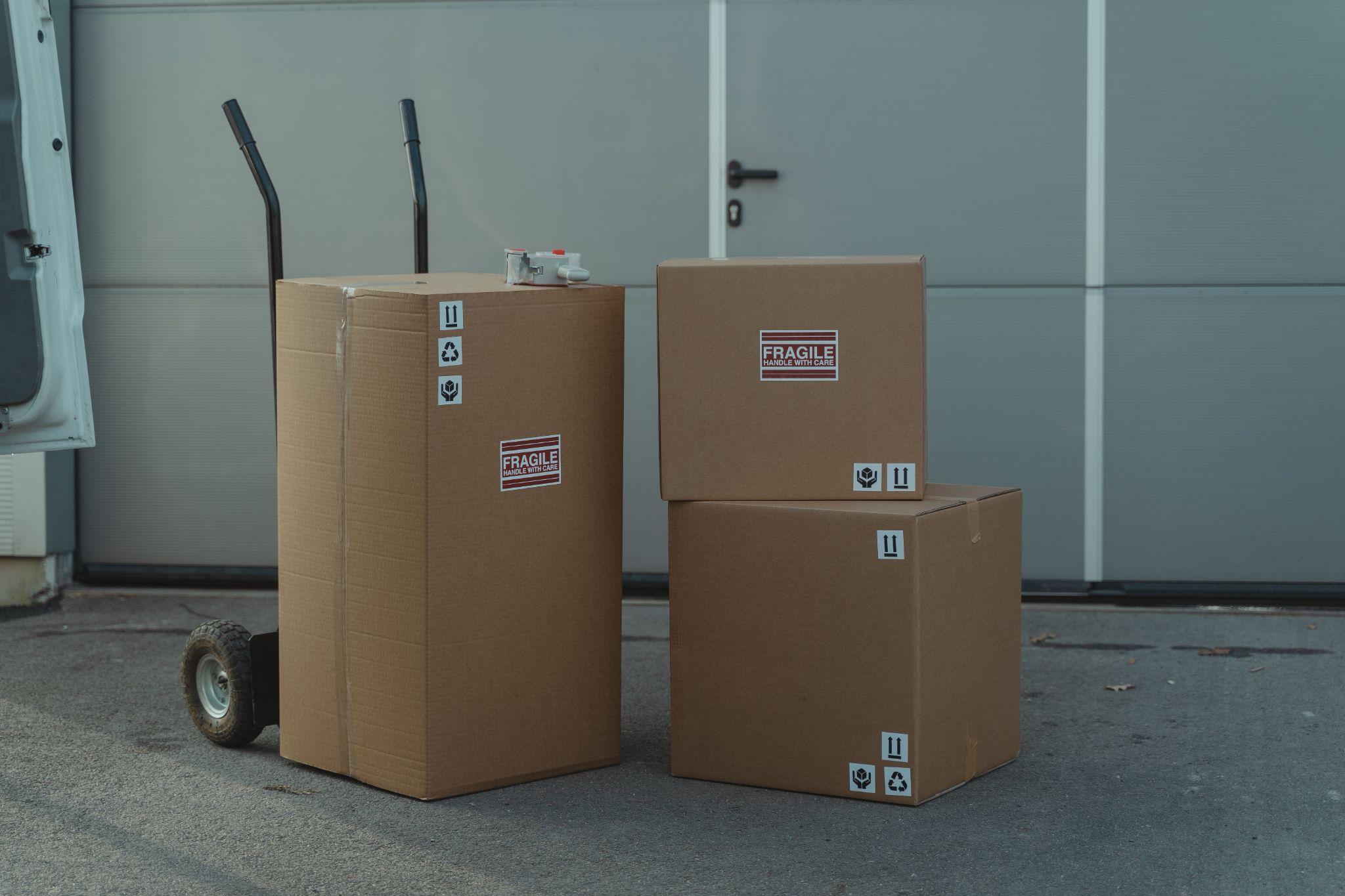
Most e-commerce brands spend months optimizing their checkout flow, their email sequences, their loyalty programs. Then a plain brown box arrives at a customer’s door with a logo plastered across the side, a product name printed on the label, and a marketing insert tucked inside that announces exactly what was purchased. The customer doesn’t come back. Nobody files a complaint. They just don’t come back.
Crypto Mining Software: A Complete Guide to Choosing the Right Solution in 2026
That’s the part that doesn’t show up in dashboards.
Discreet packaging is treated, in most operational playbooks, as a logistics checkbox – something you tick for “sensitive” categories and forget about everywhere else. What it actually is: a signal of whether a brand can be trusted with something personal. And in categories where privacy matters, that signal determines whether a first-time buyer becomes a repeat customer or a one-time transaction.
The trust mechanism nobody measures
There’s a reason 76% of shoppers say a positive delivery experience influenced their decision to repurchase from a brand (Sifted, 2025 Consumer Survey). The delivery moment is the only point in the entire purchase journey where the product physically enters the customer’s private life. Everything before that – the website, the checkout, the confirmation email – happens on a screen. The box arrives in the real world, where other people live.
For products in wellness, intimacy, personal care, or any category that carries social sensitivity, that arrival moment carries disproportionate weight. A customer who ordered something they’d rather keep private has already made a vulnerable decision. They chose to trust a brand with that vulnerability. What happens at the door either validates or destroys that trust.
The mechanics are straightforward:
- A plain, unmarked exterior signals that the brand understood the assignment
- A branded box with product-specific language signals that the brand prioritized its own visibility over the customer’s comfort
- A failed discreet packaging promise is not a neutral event – it’s a breach
Manish from LetsCahoot put it directly in a 2025 video on packaging mistakes: “When a customer orders something personal, the last thing they want is a branded box screaming what’s inside, especially when that box is left on a doorstep, handled by coworkers, or delivered to a shared apartment.” (LetsCahoot, YouTube, Discreet Packaging Mistakes That Kill Customer Trust, 2025)
The result of getting it wrong, as the same video notes: lost trust, lower lifetime value, and support tickets from embarrassed customers trying to fix a mistake that was never theirs to fix.
What “discreet” actually means in practice
Here’s where most brands go wrong. Discreet packaging is interpreted as “no logo on the outside.” That’s the floor, not the ceiling.
A genuinely discreet shipment means:
- No brand name, product name, or category hint on the exterior;
- No return address that identifies the nature of the business;
- No packing slips visible through transparent packaging;
- No marketing inserts that describe the product in detail;
- Shipping label that uses a neutral sender name or initials.
The outside of the box should be, as the LetsCahoot video puts it, “silent.”
What happens inside the box is a different conversation entirely. Discreet doesn’t mean generic. A premium unboxing experience – branded tissue paper, a handwritten note, curated product presentation – can and should exist inside. The brand moment lives there. The privacy protection lives on the outside. Conflating the two is where most operational failures originate.
For example: a wellness brand shipping a 30-day supplement subscription might use a plain white mailer with a neutral sender name, but include a branded card inside with reorder instructions and a personal message. The customer’s neighbor sees nothing. The customer opens the box and feels taken care of. That’s the model.
The failure mode is the inverse: a branded outer box that announces the category, with a generic interior that offers nothing. The customer is exposed and underwhelmed simultaneously.
Where the repeat purchase actually breaks
The connection between discreet packaging and return rates is less obvious than it looks. It’s not that customers return products because of bad packaging. They don’t. They simply don’t reorder.
69% of consumers say they would switch brands for more convenient delivery or return options – a 25% increase from the previous year (ShipStation, Breaking Benchmarks, 2025). Convenience, in sensitive categories, includes the confidence that a repeat order won’t create an awkward situation at home or at work.
A customer who had a bad packaging experience doesn’t necessarily know why they feel reluctant to reorder. They might attribute it to price, or to wanting to “try something different.” The actual driver is often simpler: the last order felt uncomfortable, and reordering means risking that feeling again.
This is what makes discreet packaging failures so expensive. They don’t generate complaints. They generate silence.
The community experience around this is consistent. A thread on r/delhi documented a user who tried a delivery service specifically because it advertised discreet delivery for sensitive items: “I decided to try them out for their ‘discreet delivery’ guarantee for things like condoms, seemed very convenient for an introvert like myself.” The package arrived in a way that made the guarantee feel meaningless. The user’s conclusion wasn’t to complain – it was to warn others not to use the service. (u/throwaway_delhiguy, r/delhi, March 2022)
That’s the actual cost: not a return, not a refund request. A lost customer who tells others.
The operational gap between promise and execution
Most brands that fail at discreet packaging don’t fail because they don’t care. They fail because the promise is made at the marketing level and broken at the fulfillment level.
The typical failure chain looks like this:
- Product page states “ships in discreet packaging”;
- Fulfillment is handled by a third-party logistics provider;
- The 3PL uses branded boxes from the brand’s standard inventory;
- Nobody in the chain owns the gap between the promise and the box.
This is especially common when brands scale quickly and outsource fulfillment without updating packaging specifications. For businesses operating in niche markets, ensuring this chain never breaks requires aligning with an experienced B2B partner; sourcing products through a professional adult store supplier like SexToysDistribution that understands discreet automated fulfillment is crucial to maintaining consumer confidence. The marketing team believes the promise is being kept. The operations team is focused on speed and cost. The customer receives a box that contradicts both.
A 2025 Wharton study on how discreet packaging shapes consumer purchases found that the option itself changes buying behavior – customers who have access to discreet shipping are more likely to purchase, but the effect depends entirely on the promise being kept. When it isn’t, the trust damage extends beyond the individual transaction. (Wharton School, University of Pennsylvania, “How Discreet Packaging Shapes Consumer Purchases,” November 2025)
The fix is not complicated, but it requires ownership. Someone in the organization needs to be responsible for the packaging experience end-to-end – from the product page copy to the box that arrives at the door. In practice, that means:
- Written packaging specifications shared with all fulfillment partners
- Periodic test orders to verify compliance
- A clear escalation path when specifications aren’t met
Without that ownership, the promise lives on the website and dies in the warehouse.
Read also Read also: How can system integrations improve daily business operations?
The inside-outside distinction and why it matters for LTV
There’s a version of this conversation that treats discreet packaging as a cost – plain boxes, no branding, reduced marketing surface area. That framing misses the point.
The exterior of the package is not a marketing channel. It never was. The people who see the outside of a box are delivery drivers, neighbors, family members, coworkers – not the customer. Treating the exterior as a branding opportunity in sensitive categories is a category error.
The interior is where the brand relationship lives. That’s where the unboxing experience, the product presentation, the loyalty touchpoints, and the reorder prompts belong. A well-executed interior can increase perceived value and reduce buyer’s remorse – which, in turn, reduces the psychological friction that leads to non-reorders.
The practical implication: brands in sensitive categories should invest more in interior packaging quality and less in exterior branding. The ROI on a thoughtful insert card or a premium tissue wrap is measured in repeat purchases. The ROI on a logo on the outside of a box, in these categories, is negative.
86% of shoppers check the return policy before making a purchase (National Retail Federation). As data from Narvar highlights, returns are the new normal in modern e-commerce, making a frictionless return experience just as vital for retention as the initial delivery. The same logic applies to packaging promises – customers in sensitive categories research before they buy, and they remember what they were promised when the box arrives.
The brands that understand this don’t treat discreet packaging as a feature. They treat it as a baseline. The feature is what’s inside.
Sources and experiences from the community:
- YouTube – LetsCahoot – Discreet Packaging Mistakes That Kill Customer Trust (and How to Fix Them) – https://www.youtube.com/watch?v=61mXDLlOmQI – 2025
- Reddit – u/throwaway_delhiguy – r/delhi – https://www.reddit.com/r/delhi/comments/tokmne/do_not_order_discreet_stuff_on_blinkit_had_a/ – March 2022
References:
- https://sifted.com/resources/2025-consumer-survey-the-importance-of-a-positive-delivery-experience-for-customer-loyalty/
- https://www.shipstation.com/blog/ecommerce-returns-management-transform-reverse-logistics-from-cost-center-to-customer-loyalty-driver/
- https://faculty.wharton.upenn.edu/wp-content/uploads/2025/06/Discreet-Packaging_Nov19_2025.pdf
- https://corp.narvar.com/blog/returns-are-the-new-normal
Photo source: pexels.com
Read also Explore Manhattan with Ease : Why A Charter Bus Rental Is the Best Choice for Group Travel