
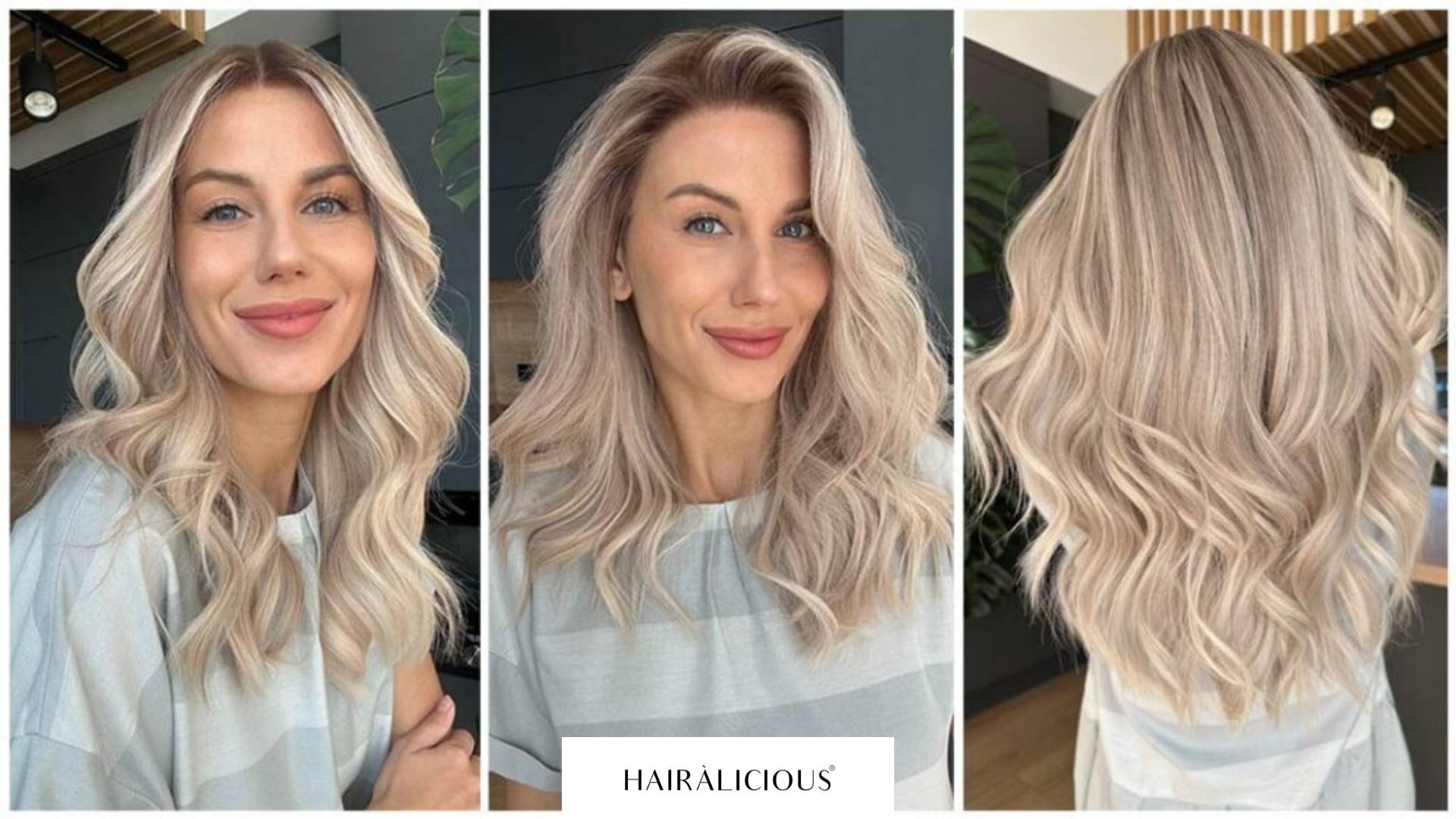
Choosing a wig is not only about length, color, or whether the hair is human or synthetic. Texture and volume can change how natural the final result looks, how easy the wig is to style, and how comfortable it feels throughout the day. Some wearers want soft movement and a refined finish. Others prefer a fuller silhouette that gives the hair more presence. This is where European human hair wigs often become part of the conversation. Their appeal is closely connected to their naturally fine texture, but that does not automatically make them the right choice for every style goal.
Why hair texture affects the final look
Hair texture influences how a wig falls, moves, and holds shape. Fine hair usually creates a softer and lighter appearance. It can look especially natural on people whose own hair has always been finer or less dense. When the texture of the wig is close to what the wearer is used to, the result often feels more familiar and easier to manage.
Thicker hair and higher density createe a different impression. It can make a hairstyle look more voluminous, more structured, and more noticeable. This can be a benefit for layered cuts, glamorous waves, or styles where body is part of the look. At the same time, too much density can feel unfamiliar if the wearer normally has fine hair or wants a subtle everyday style.
European hair wigs are often associated with a finer strand structure. That can make them appealing to people who want a realistic, lightweight result rather than a dramatic transformation. The key is to decide whether the goal is natural softness or visible fullness.
Who benefits most from fine-textured wigs?
Fine-textured wigs can work well for people who want hair that moves gently rather than heavily. They are often a good fit for understated styles, shoulder-length cuts, soft layers, and natural straight or slightly wavy looks. A fine texture can also help the wig sit closer to the head, which may create a more believable shape around the crown and sides.
This does not mean fine hair has to look flat. The final result depends on the cut, cap construction, density, and styling method. A well-cut fine-textured wig can still have shape and movement. The difference is that the volume feels softer and less bulky.
European human hair wigs may be especially suitable for wearers who prefer a polished but not overly styled appearance. They can also suit people who want to avoid a wig that looks too thick at the hairline or too heavy around the face. For daily wear, this can make a noticeable difference, especially when the wearer wants the hair to blend naturally with their features.
When fuller volume may be the better choice
Fuller wigs have their place. A person who likes large curls, lifted roots, or bold layered styles may feel that a fine texture does not provide enough presence. Fuller hair can also help balance strong facial features or create a more fashion-focused look.
There are practical reasons to consider volume as well. Some styles need more density to hold their shape. Long waves, bouncy blowouts, and heavily layered cuts may look better when there is enough hair to support the style. If a wig is too fine for the intended haircut, it may not deliver the same visual effect the wearer imagined.
Still, volume should not be confused with quality. More hair does not always mean a better wig. If density is too high for the cap, face shape, or intended use, the wig may look less natural. A balanced amount of hair is often more flattering than maximum fullness.
How face shape and personal style influence the decision
The best choice depends partly on the wearer’s face shape and style preferences. A narrow or delicate face may be overwhelmed by very dense hair, especially around the cheeks and jawline. In this case, a fine-textured wig with soft layering can look more proportionate.
A person with stronger facial structure may prefer more volume, especially if they like hairstyles that frame the face with waves or layers. However, the cut matters as much as the hair type. Even fine-textured European hair wigs can be styled with subtle lift, while fuller wigs can be shaped to avoid looking bulky.
Lifestyle also matters. Someone who wears a wig every day may value comfort, easy styling, and natural movement. Someone choosing a wig for occasional styling may be more open to extra fullness or a more dramatic look. The right choice is less about following one rule and more about matching the wig to real habits.
A practical way to compare fine texture and full volume
Before choosing between fine texture and fuller hair, it helps to think about the result in concrete terms:
- For a natural everyday look, fine texture may feel softer and easier to wear.
- For dramatic curls or bold styling, fuller density may give the style more structure.
- For a realistic hairline and flatter crown, avoid excessive volume near the top.
- For longer styles, consider whether the hair has enough body through the ends.
- For comfort, think about weight as well as appearance.
These points can help prevent a common mistake: choosing a wig based only on a photo. Product images show the hair at its most styled. In real life, the texture, density, and cut determine how the wig behaves after regular wear.
Are European hair wigs better for subtle everyday looks?
European hair wigs are often a strong choice for people who want softness, natural movement, and a lighter feel. They can be especially flattering when the goal is not to create the thickest possible hairstyle, but to achieve hair that looks believable and comfortable in everyday settings.
Fuller wigs are not wrong, and for some wearers they are exactly what the style needs. The better question is what kind of result will feel natural once the wig is worn, styled, and maintained regularly. For those who prefer refinement over dramatic volume, European human hair wigs can offer a balanced option that feels close to natural hair rather than a separate accessory.
Read also RNase/DNase-free and pyrogens: what quality declarations should sterile tubes have