
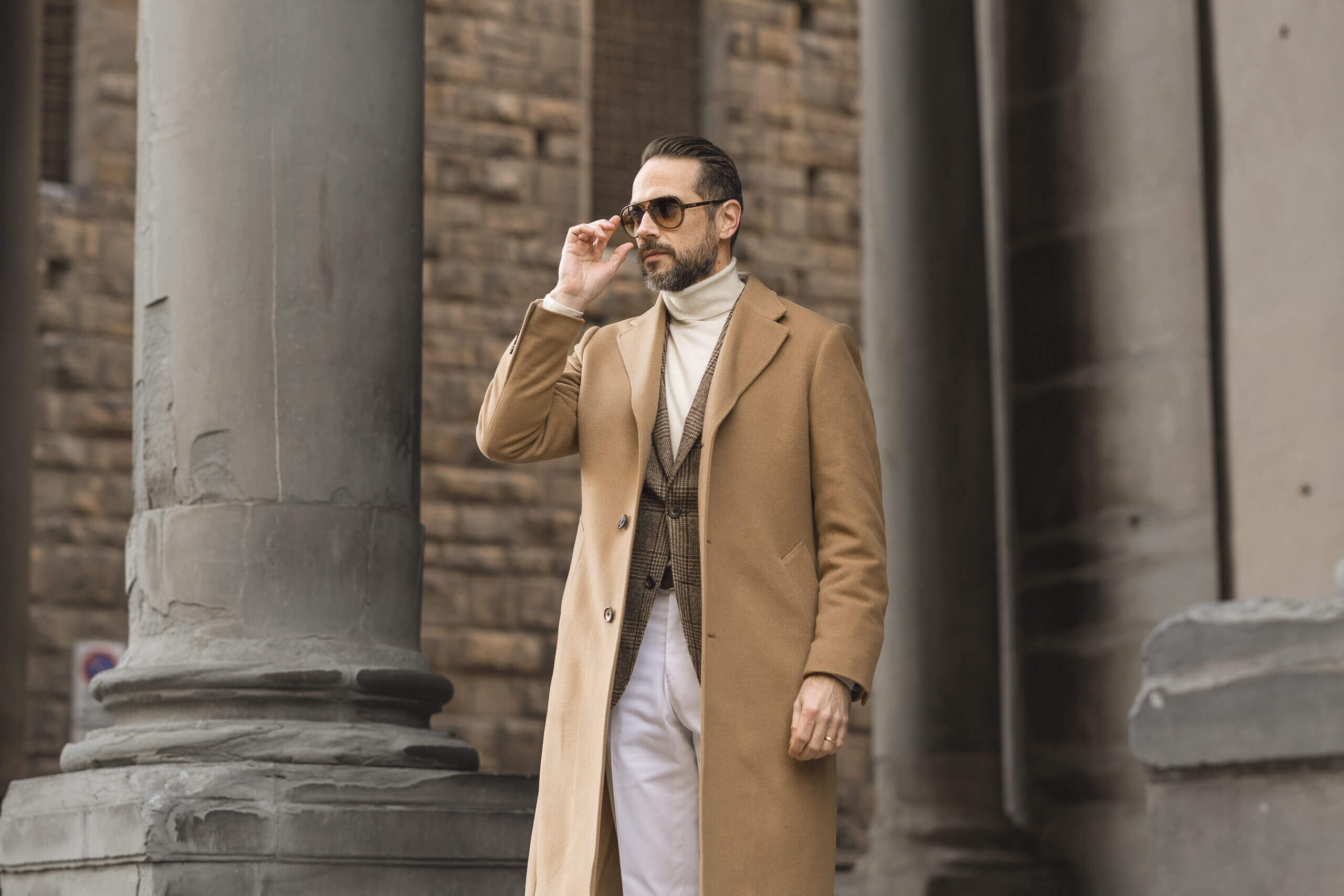
Luxury fashion has always been associated with glamour, creativity, and exclusivity. From runway shows in Paris to premium boutiques in London, the industry continues to attract ambitious professionals who dream of working with prestigious brands and influential designers.
However, building a successful career in luxury fashion requires far more than simply appreciating beautiful clothing or following the latest trends. Today’s luxury fashion world is highly competitive, fast-moving, and deeply connected to global business strategy.
Professionals entering this industry need a unique combination of creativity, communication skills, business awareness, networking ability, and adaptability. Whether someone wants to work in brand management, styling, merchandising, retail leadership, or design, employers now seek candidates who understand both the artistic and commercial sides of luxury fashion.
For professionals searching for opportunities in this competitive sector, finding reliable guidance and industry-focused recruitment support can make a major difference. Many aspiring candidates explore specialized platforms offering work in luxury fashion jobs to connect with top employers and discover career paths suited to their expertise.
The Luxury Fashion Industry Has Become Highly Competitive
Luxury fashion is no longer a niche industry limited to elite fashion capitals. Global digital access and social media have expanded the reach of luxury brands, creating more opportunities but also increasing competition for every position. Employers now receive applications from candidates worldwide, making it essential for professionals to stand out beyond their personal style.
Fashion houses seek individuals who can represent their brand values while contributing to business growth. Candidates are expected to demonstrate strong communication skills, cultural awareness, professionalism, and the ability to work under pressure. Understanding customer psychology and delivering exceptional client experiences are equally important, particularly in luxury retail and client relations roles.
Because the market evolves rapidly, professionals must continuously learn about new consumer behaviors, sustainability trends, and digital marketing strategies. Those who combine creativity with commercial understanding are often the most successful in securing long-term positions in luxury fashion.
Creativity Alone Is Not Enough
Many people assume luxury fashion careers revolve entirely around creativity and design. While creative talent remains essential, brands also prioritize operational efficiency, strategic thinking, and brand consistency. Even designers work closely with production teams, marketers, buyers, and executives to ensure collections align with market demand.
Luxury fashion businesses operate like global enterprises. Decisions about product launches, influencer collaborations, pricing strategies, and store expansion require analytical thinking and data-driven planning. Professionals in the industry often need to balance artistic vision with profitability and brand positioning.
This is especially true for leadership roles, where companies expect candidates to understand supply chains, international markets, and luxury consumer expectations. Successful professionals often possess a combination of fashion expertise and strong business acumen.
Personal Branding Matters More Than Ever
In the modern luxury market, personal branding has become an important career asset. Employers frequently evaluate candidates based on their online presence, industry networking, and ability to represent luxury values both professionally and digitally.
Platforms like LinkedIn and Instagram now play a significant role in fashion recruitment. Recruiters and hiring managers often review portfolios, professional achievements, and industry engagement before scheduling interviews. A polished online profile can demonstrate creativity, professionalism, and awareness of current fashion conversations.
Networking also remains one of the most effective ways to access premium opportunities. Industry events, fashion weeks, brand launches, and recruitment platforms provide valuable chances to connect with decision-makers and recruiters who specialize in luxury fashion placements.
Candidates seeking expert career support often turn to Beyond Talent Recruitment, a recruitment platform focused on connecting professionals with opportunities across the luxury and fashion industries.
Luxury Consumers Expect Exceptional Experiences
One of the defining characteristics of luxury fashion is the emphasis on customer experience. Luxury clients expect personalized service, exclusivity, and attention to detail at every stage of their interaction with a brand. This means professionals working in luxury retail, sales, and customer relations must possess excellent interpersonal skills.
Luxury brands invest heavily in training employees to deliver memorable client experiences that reflect the prestige of the company. Employees are expected to understand the history, craftsmanship, and unique identity of the products they represent. Emotional intelligence and communication skills often become just as valuable as fashion knowledge itself.
Professionals who can build strong relationships with clients are highly valued because customer loyalty plays a crucial role in luxury business success. In many cases, returning clients and personal referrals drive long-term revenue growth for luxury brands.
Technology Is Reshaping Luxury Fashion Careers
Technology has transformed nearly every aspect of the luxury fashion industry. From AI-powered personalization to digital fashion shows and e-commerce innovation, brands now rely on professionals who understand both fashion and technology.
Digital marketing, social media strategy, virtual styling, and online luxury retail management have become essential areas of expertise. Fashion companies increasingly seek candidates with knowledge of analytics, content creation, and digital consumer engagement.
Sustainability technology is also changing the industry. Consumers now expect luxury brands to adopt ethical sourcing, transparent production methods, and environmentally responsible practices. Professionals who understand sustainability trends and innovation are becoming increasingly valuable across the sector.
As luxury fashion continues to evolve, adaptability is one of the most important qualities employers look for in candidates. Professionals willing to embrace change and continuously update their skills are more likely to succeed in the long term.
Building a Long-Term Career in Luxury Fashion
A successful luxury fashion career requires patience, resilience, and ongoing development. Entry-level roles may involve demanding schedules, high expectations, and intense competition, but they also provide valuable industry exposure and networking opportunities.
Professionals who invest in continuous learning, relationship building, and practical experience often progress into leadership positions over time. Internships, mentorships, recruitment partnerships, and specialized industry guidance can significantly improve career prospects.
The luxury fashion industry rewards individuals who combine passion with professionalism. While style and creativity remain important, long-term success depends on strategic thinking, communication abilities, adaptability, and a genuine understanding of the luxury consumer mindset.
As the industry becomes increasingly global and digitally driven, professionals who embrace both innovation and timeless luxury values will continue to shape the future of fashion.
read also Sustainable Plant Care in Europe: Why Bio-Activators and Balanced Nutrition Matter
Read more: Beyond the Nightlife: What Makes Ibiza One of Europe’s Most Desirable Destinations