
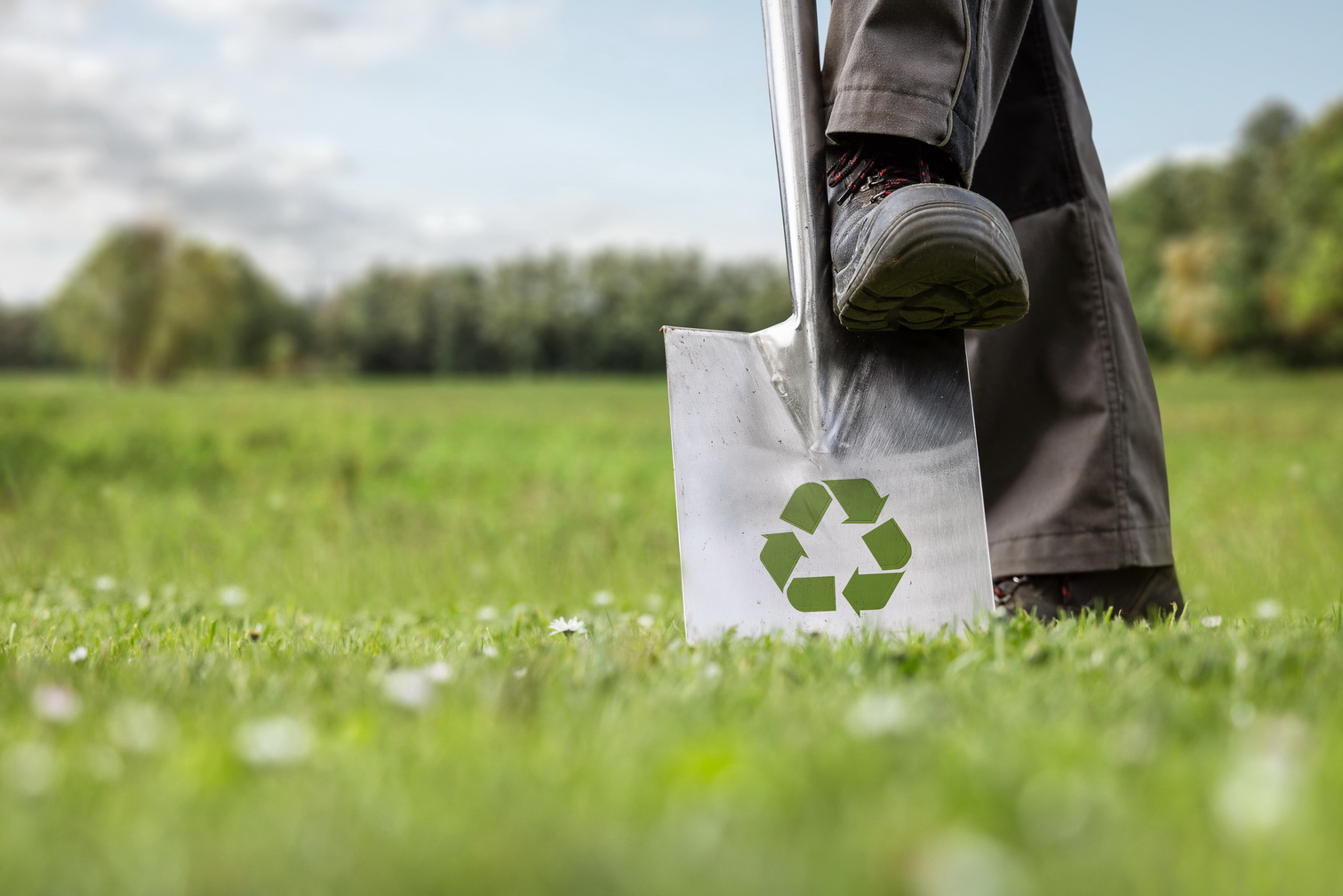
Across Europe, more people are turning balconies, patios, windowsills and small gardens into green spaces that support wellbeing and sustainability. From compact urban apartments in London to terrace gardens in Southern Europe, plant lovers are becoming increasingly conscious about how they care for indoor plants, herbs, bonsai trees and container-grown flowers. Sustainable plant care is no longer simply about aesthetics — it is about creating healthier growing environments while reducing unnecessary waste and overuse of chemicals.
In recent years, sustainable gardening has become one of the fastest-growing lifestyle trends across Europe. Many households are now embracing eco-conscious habits by growing herbs indoors, maintaining balcony plants, creating small urban gardens and caring for decorative indoor greenery. This shift reflects a wider interest in healthier living, biodiversity and environmentally responsible choices.
Unlike traditional outdoor gardens, modern urban gardening often depends on containers, limited soil volumes and controlled indoor conditions. These environments can be highly rewarding, but they also require more thoughtful plant care. Plants grown in pots or small containers rely entirely on the nutrients and moisture provided by the grower, making balanced nutrition essential for long-term health.
The Rise of Small-Space Gardening in Europe
Urban living has transformed the way people garden. In many European cities, outdoor space is limited, leading more individuals to use balconies, rooftops, patios and indoor corners for growing plants. Herbs, succulents, bonsai trees and flowering container plants have become especially popular because they adapt well to compact environments.
However, plants grown in restricted spaces face different challenges compared to those planted directly in the ground. Limited root expansion, faster drying soil and nutrient depletion are common issues in container gardening. Frequent watering can also wash away minerals more quickly, leaving plants vulnerable to weak growth or discoloration.
Indoor plants face similar difficulties. Central heating during winter and fluctuating indoor temperatures can affect soil moisture and root stability. As a result, plant nutrition must be approached with greater care and consistency.
Why Soil Vitality Matters for Healthy Plant Growth
Healthy soil is one of the most important foundations of sustainable gardening. Whether caring for balcony flowers, bonsai trees or indoor foliage plants, soil quality directly influences how efficiently plants absorb nutrients and water.
Over time, soil inside containers gradually loses biological activity. Repeated watering and limited organic matter can reduce the presence of beneficial microorganisms that naturally support root development. When this happens, plants may appear dull, weak or less resilient to environmental stress.
For gardeners looking for more advanced and sustainable solutions, bio-activators can support soil vitality and help plants make better use of the nutrients already present in the growing environment.
Bio-activators are increasingly discussed within sustainable gardening circles because they focus on improving the overall growing ecosystem rather than forcing rapid artificial growth. By supporting healthier soil conditions, gardeners may encourage stronger root systems and more balanced plant development over time.
This approach aligns well with the growing European interest in conscious gardening habits that prioritise long-term plant health over quick cosmetic results.
For readers interested in greener home improvement ideas, articleworld.uk also features useful insights on sustainable outdoor living and eco-friendly home trends that complement responsible gardening practices.
Balanced Nutrition for Container Plants and Bonsai
Container gardening requires particularly careful feeding routines because nutrients naturally decline over time. Every watering cycle slowly removes essential minerals from the soil, especially during warmer months when plants require more frequent hydration.
This is especially true for bonsai trees and decorative indoor plants, which often grow in highly controlled soil environments. Excessive feeding can stress roots, while inconsistent nutrition may weaken overall plant vitality.
In container gardening, where nutrients are gradually depleted through watering, a balanced liquid fertilizer can help maintain steady growth without forcing the plant beyond its natural rhythm.
Liquid fertilizers are often preferred for container plants because they distribute nutrients evenly and can be adjusted according to seasonal growth patterns. During spring and summer, plants typically require more active feeding, while winter months may call for reduced application.
Balanced feeding is particularly important for bonsai cultivation, where careful control over root development, foliage growth and overall plant structure is essential.
Gardeners who enjoy maintaining stylish green interiors may also find inspiration in articleworld.uk content related to indoor living spaces, natural décor and modern home lifestyle ideas.
Common Plant Nutrition Mistakes to Avoid
One of the most common mistakes in home gardening is overfeeding plants. Many beginners assume that adding more fertilizer automatically leads to healthier growth, but excessive nutrients can damage roots and disrupt natural balance.
Another frequent issue is inconsistent watering. Overwatered soil may suffocate roots, while underwatering can prevent nutrients from circulating properly within the plant system. Sustainable gardening depends on maintaining stability rather than constantly correcting avoidable problems.
Using poor-quality soil is another overlooked concern. Container plants benefit from soil mixes that provide proper drainage while still retaining enough moisture for healthy root activity. Compacted or exhausted soil can quickly reduce plant resilience.
Seasonal awareness is equally important. Plants have different nutritional requirements throughout the year. Feeding schedules should adapt to periods of active growth, dormancy and changing temperatures.
Sustainable Gardening as a Long-Term Lifestyle
Sustainable plant care is ultimately about balance. Rather than chasing rapid growth or short-term visual results, many European gardeners are adopting slower, more natural approaches that support long-term plant wellbeing.
This mindset encourages thoughtful watering habits, responsible nutrient use and better understanding of how plants interact with their environment. Even small gardening spaces can contribute to healthier lifestyles and greener urban living when managed carefully.
As interest in indoor greenery, balcony gardens and eco-conscious lifestyles continues to grow across Europe, the importance of soil vitality and balanced plant nutrition is likely to become even more central to modern gardening practices.
read also Why a Career in Luxury Fashion Demands More Than Just an Eye for Style
Read more: Beyond the Nightlife: What Makes Ibiza One of Europe’s Most Desirable Destinations